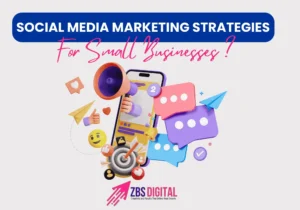
Social media marketing has become one of the most powerful growth tools for small businesses, and in 2026, its impact is stronger than ever. With changing algorithms, increasing competition, and smarter consumers, small businesses must move beyond basic posting and adopt strategic, data-driven approaches. The good news? You don’t need a massive budget to succeed just the right strategies.
In this in-depth guide, we’ll explore the top social media marketing strategies for small businesses in 2026, helping you boost visibility, increase engagement, and drive consistent sales.
Why Social Media Marketing Matters for Small Businesses in 2026
In 2026, social media platforms are no longer just places to connect with friends, they have evolved into powerful discovery, search, and shopping ecosystems. Customers now research brands directly on platforms like Instagram, TikTok, LinkedIn, and Facebook before making a purchase decision.
For small businesses, social media offers:
- Cost-effective brand awareness
- Direct communication with customers
- Higher engagement than traditional marketing
- Real-time feedback and insights
When used strategically, social media can level the playing field between small businesses and large brands.
1. Short-Form Video Is the Core of Social Media Growth
Short-form video continues to dominate social media in 2026. Platforms prioritize video content because it keeps users engaged longer and drives more interaction.
Why short-form videos work:
- Higher organic reach
- Better storytelling opportunities
- Increased shares and saves
- Stronger emotional connection
Small businesses should focus on:
- Product demos
- Customer testimonials
- Educational tips
- Behind-the-scenes content
Zbs tip: Videos between 15–45 seconds perform best when they provide quick value and include captions for silent viewers.
2. AI-Powered Social Media Marketing Is No Longer Optional
Artificial intelligence plays a major role in social media marketing strategies for small businesses in 2026. AI tools help automate repetitive tasks, analyze audience behavior, and personalize content at scale.
How AI helps small businesses:
- Generates captions and hashtags
- Designs visuals and videos
- Schedules posts at optimal times
- Predicts content performance
AI doesn’t replace creativity—it enhances it. Businesses that combine human storytelling with AI efficiency see faster growth and better engagement.
3. Platform-Specific Strategies Matter More Than Ever
Posting the same content across all platforms is no longer effective. Each platform has its own audience behavior and algorithm preferences.
Instagram & Facebook
Best for brand storytelling, community building, and ads. Focus on Reels, Stories, and carousel posts.
TikTok
Ideal for discovery and viral reach. Authentic, trend-based content performs better than polished ads.
Perfect for B2B small businesses. Share educational posts, industry insights, and company updates.
YouTube
Long-form and short-form videos build authority and long-term traffic.
Adapting your content to each platform improves reach and engagement significantly.
4. Community Building Beats Follower Count
In 2026, algorithms prioritize meaningful interactions over vanity metrics. A small but engaged audience delivers better results than thousands of inactive followers.
Ways to build a strong community:
- Reply to comments and DMs promptly
- Run polls, Q&A sessions, and live streams
- Feature user-generated content
- Ask for feedback and opinions
When people feel heard, they become loyal customers and brand advocates.
5. Social Media SEO Is a Major Ranking Factor
Social media platforms now function like search engines. Users search for products, services, and reviews directly on social apps.
To optimize for social media SEO:
- Use keywords in bios and descriptions
- Add searchable captions
- Include relevant hashtags
- Use location-based keywords
This strategy improves discoverability and drives organic traffic without paid ads.
6. Influencer and Micro-Influencer Marketing Delivers High ROI
Influencer marketing in 2026 focuses on authenticity and niche relevance. Micro-influencers with smaller but engaged audiences often outperform large influencers.
Benefits for small businesses:
- Lower collaboration costs
- Higher engagement rates
- Increased trust and credibility
Partner with influencers who align with your brand values and speak directly to your target audience.
7. Affordable Paid Advertising for Faster Growth
While organic reach is important, paid social media advertising accelerates growth. Platforms now offer smarter targeting options, making ads more effective even on small budgets.
Best practices for paid ads:
- Promote high-performing organic posts
- Use clear calls-to-action
- Test multiple creatives
- Focus on conversions, not just likes
Paid ads work best when combined with strong organic content.
8. Social Commerce Is Driving Direct Sales
Social media platforms now support in-app shopping, making it easier for customers to buy without leaving the app.
Social commerce strategies:
- Tag products in posts and videos
- Use shoppable stories and reels
- Share customer reviews
- Simplify checkout processes
Small businesses that adopt social commerce experience higher conversion rates and impulse purchases.
9. Consistency and Branding Build Trust
Posting consistently builds recognition and trust. In 2026, customers expect brands to show up regularly and maintain a cohesive visual identity.
Key branding elements:
- Consistent colors and fonts
- Unified tone of voice
- Clear brand messaging
A strong brand presence increases credibility and long-term loyalty.
10. Data-Driven Decisions Improve Results
Tracking performance is essential for success. Social media analytics help businesses understand what works and what doesn’t.
Metrics to monitor:
- Engagement rate
- Reach and impressions
- Click-through rate
- Leads and conversions
Use data to refine your content strategy and improve ROI.
Common Social Media Mistakes Small Businesses Should Avoid
Even in 2026, many small businesses struggle due to common mistakes:
- Posting without a strategy
- Ignoring analytics
- Over-promoting products
- Not engaging with followers
- Inconsistent posting schedules
Avoiding these mistakes can significantly improve your social media performance.
Conclusion
Social media marketing for small businesses in 2026 is all about strategy, authenticity, and adaptability. By leveraging short-form video, AI-driven tools, platform-specific content, and strong community engagement, small businesses can achieve sustainable growth without the need for massive marketing budgets.
At zbs digital, we help brands stay ahead by listening to their audience, delivering real value, and continuously evolving with the latest social media trends. The businesses that succeed in 2026 are those that remain consistent, data-driven, and ready to adapt in a fast-changing digital landscape.