In today’s digital world, more than 60% of searches come from mobile devices, and Google has officially shifted to mobile-first indexing. But what does that mean for your website’s SEO, and how can you stay ahead of competitors?
Let’s break it down in this detailed guide.
What Is Mobile-First Indexing?
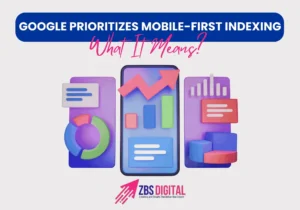
Mobile-first indexing means Google predominantly uses the mobile version of your site for crawling, indexing, and ranking.
Before this shift, Google mainly looked at desktop content. Now, if your website isn’t optimized for mobile, it may struggle to rank—even if your desktop version looks perfect.
Why Google Prioritizes Mobile-First Indexing
Here’s why Google made this move:
- User Behavior – Mobile internet usage has surpassed desktop.
- Better Experience – Google wants users to find mobile-friendly, fast-loading pages.
- Accurate Indexing – Ensures mobile and desktop users see consistent content.
- Competitive Edge – Mobile-first websites get higher rankings and visibility.
How Mobile-First Indexing Affects Your SEO
If your site isn’t mobile-friendly, here’s what could happen:
- Lower rankings due to poor mobile usability.
- Slow-loading pages increase bounce rates.
- Reduced crawlability if mobile content is incomplete.
- Content mismatch (desktop vs mobile) can hurt indexing.
How to Check if Your Website Is Mobile-First Indexed
Use these tools to see if Google has already switched your site to mobile-first:
- Google Search Console → Settings → Indexing Crawler
- Mobile-Friendly Test Tool by Google
- PageSpeed Insights for mobile performance scores
How to Optimize Your Website for Mobile-First Indexing
Here’s a step-by-step guide:
1. Ensure Mobile-Friendly Design
- Use responsive web design (RWD).
- Avoid separate mobile subdomains (m.example.com).
2. Match Desktop & Mobile Content
- Keep the same text, images, and links on both versions.
- Avoid hiding content behind “read more” tabs on mobile.
3. Improve Mobile Page Speed
- Compress images and use next-gen formats (WebP).
- Minimize CSS, JavaScript, and redirects.
- Use AMP (Accelerated Mobile Pages) if necessary.
4. Optimize for Mobile User Experience (UX)
- Ensure readable fonts (16px+).
- Buttons and links should be easy to tap.
- Avoid intrusive popups that block content.
5. Fix Technical Issues
- Keep a clean robots.txt file.
- Update XML sitemaps and submit to Google Search Console.
- Test structured data for mobile compatibility.
Best Practices for Mobile-First SEO in 2025
- Prioritize Core Web Vitals (Largest Contentful Paint, First Input Delay, CLS).
- Use HTTPS and secure mobile browsing.
- Ensure internal linking works on mobile.
- Optimize for local SEO (many mobile searches are location-based).
- Monitor with Google Analytics & Search Console regularly.
Conclusion
Google’s mobile-first indexing isn’t optional—it’s the standard. If your website isn’t optimized for mobile, you risk losing traffic, rankings, and customers.
At Zbs Digital, we help businesses create fast, responsive, mobile-first websites that meet Google’s latest SEO standards.
Ready to optimize your site for mobile-first indexing?
Contact ZBS Digital today and let’s future-proof your digital presence!